
E-Mail Marketing For Your Business
Email marketing is a digital marketing strategy that involves sending emails to a targeted group of recipients to promote products, services, or content. It is widely used for customer engagement, lead generation, brand awareness, and driving sales. Key components include email list building, crafting compelling content, and using email automation tools.
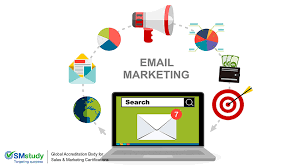
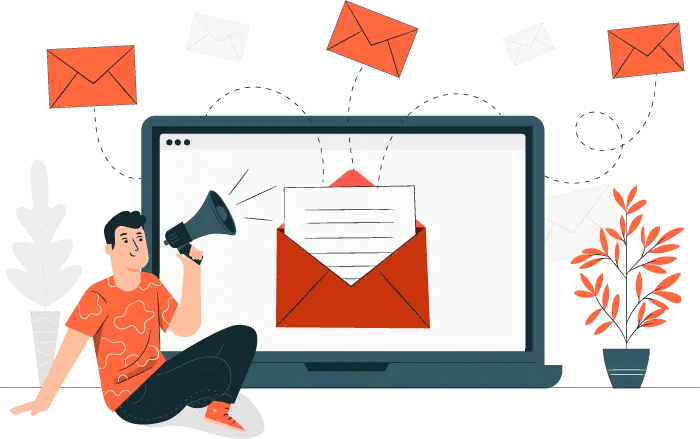
HOW E-MAIL MARKETING WORKS
Email marketing is one of the most effective and widely used tools in the digital marketing landscape. It involves sending emails to a group of people, usually customers or potential clients, with the aim of promoting products, sharing news, or building relationships. Despite the rise of social media and other communication platforms, email remains a reliable and cost-effective way to connect directly with an audience.
One of the biggest advantages of email marketing is its ability to reach a targeted audience. Businesses can segment their email lists based on customer preferences, behaviors, or demographics, allowing them to send personalized content that is more likely to engage the recipient. For example, a company can send special offers to loyal customers or product recommendations based on past purchases.
E-Mail Marketing Includes
Email marketing is one of the most effective and widely used tools in the digital marketing landscape.
E-MAIL AUTOMATION
Automated emails can be triggered by various events, such as sign-up, purchase, or abandoned cart. This allows businesses to nurture leads, onboard new customers, and follow up with those who haven't converted. Examples include welcome emails, follow-up sequences, and promotional offers.
Analytics and Reporting
Email marketing platforms provide detailed reports on campaign performance, including open rates, click-through rates, and conversion rates. This data helps businesses understand what's working and what's not, allowing them to make data-driven decisions and improve future campaigns.
PERSONALIZED CONTENT
Email marketing allows businesses to tailor messages to individual customers based on their interests, demographics, and past behavior. Using merge tags and dynamic content, emails can be customized to sound more personal and relevant. This enhances engagement and improves conversion rates.
Segmentation
Segmentation allows businesses to divide their email list into groups based on specific characteristics, such as demographics, interests, or purchase history. This enables them to send more targeted and relevant messages to each segment, improving engagement and conversion rates.
A/B Testing:
A/B testing helps businesses optimize their email campaigns by comparing different versions of subject lines, content, or calls to action. This allows them to identify the most effective messaging and improve open rates and click-through rates.
CONTACT MANAGEMENT
A contact management tool helps you acquire, sort and manage email contacts. It also provides features like automatic deletion of dead Import contact from multiple sources, including CRM and other integrated applications, to manage, organize, track, and nurture them.